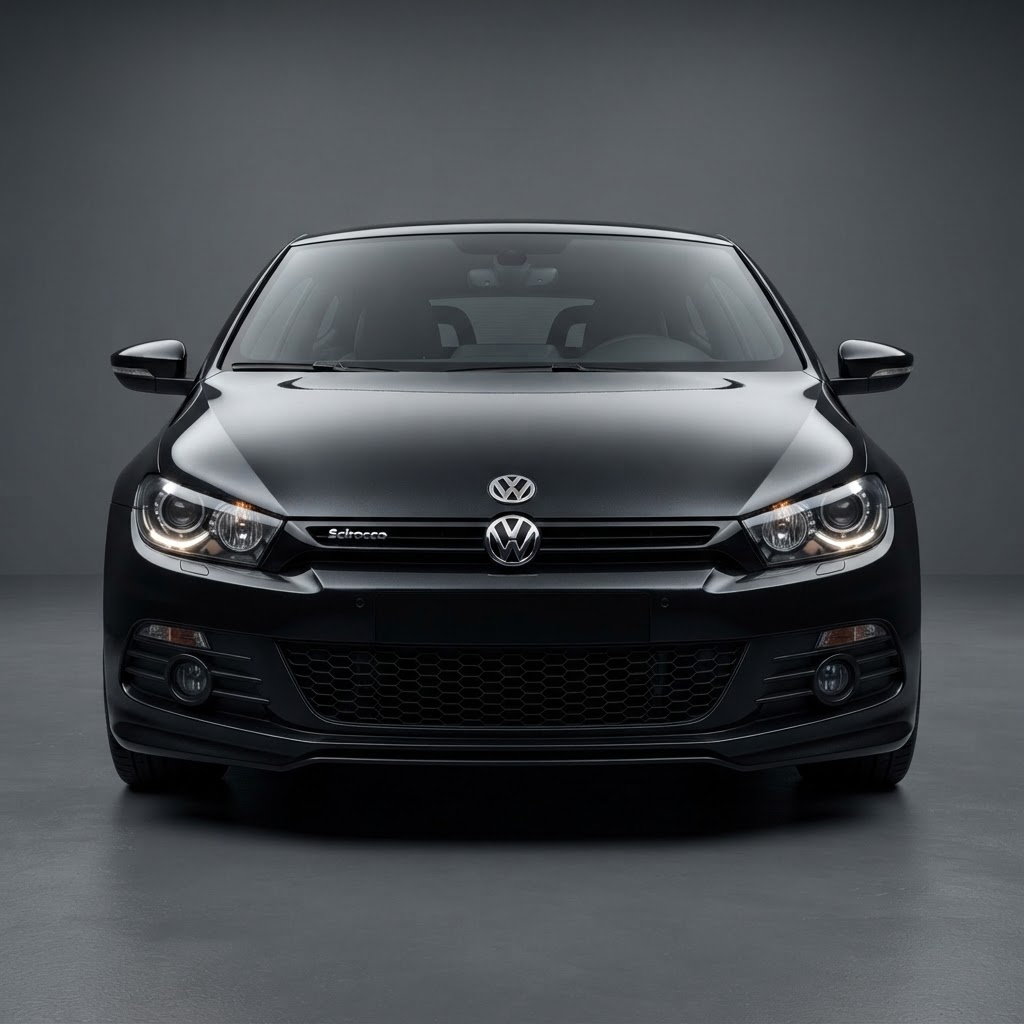
A shape with a Golf underneath
The third Scirocco revived a name that had been dormant since 1992 and put it on the PQ35 platform, sharing its engines, suspension and brakes with the Golf Mk6 and the Audi A3 8P. It is lower, wider and shorter than a Golf, with a rear seat that is technically there and a boot that is genuinely useful.
The result is a car that looks far more expensive than it is and drives like the best of the Golf range. The 2.0 TSI is the pick: 200 or 210 PS depending on year, around 6.9 seconds to 62 mph and enormous tuning headroom. The R adds 265 PS and four-wheel drive hardware, and the 2.0 TDI is the high-mileage cruiser.
What to check before you buy
- The timing chain tensioner on early 2.0 TSI cars. The EA888 generation 2 tensioner is the well-known failure. Listen for a cold-start rattle from the timing case and ask for evidence the revised part has been fitted.
- Water pump and thermostat housing. The plastic housing warps and weeps coolant. Look for pink crust on the front of the block and a low expansion tank.
- Intake valve carbon. Direct injection means the inlet valves carbon up over time. Rough idle and a slightly flat top end are the signs.
- DSG oil and filter. DQ250, every 40,000 miles. A car with no DSG history is a mechatronic gamble.
- Diverter valve. Boost loss and a soft whistle. The later piston type is stronger than the early diaphragm.
- Front bumper and splitter damage. The Scirocco sits low at the front and most examples have kissed a kerb. Check the undertray and the arch liners for scuffs that hide bigger impacts.
- Rear quarter panel and sill corrosion. Less common than on older cars, but check behind the rear wheels where the bumper meets the quarter.
Living with it
The Scirocco is a usable daily: the boot is 312 litres, the front seats are comfortable and the ride on 18 inch wheels is fine. The rear is for children or bags, and the low roofline means getting in and out of the back is a young person's game.
Visibility over the shoulder is limited, which matters on motorway merges. Parking sensors were optional on early cars and are worth having.
What to change first
Check the chain and the water pump before you spend a penny on styling. Then tyres: the Scirocco is heavy enough that poor rubber ruins the front end, and a good set of premium tyres transforms it.
A 30 mm drop on quality springs suits the car, and 18 or 19 inch wheels fill the arches properly. The R's 19 inch wheels are the reference look, but they cost you ride quality on British roads. Avoid the very low, very stiff setups: the car scrapes its front bumper at standard height, so lowering it further is a commitment to a careful life.
Fitment and costs
5x112 PCD, 57.1 mm centre bore, offset around 45 to 50 mm. GTI and R models run bigger front brakes, which matter if you plan to fit 17s.
Running costs are mid thirties mpg from the 2.0 TSI, around 45 from the 1.4 and over 50 from the diesel. Budget for the chain and water pump as the two genuine risks, plus the DSG service if it is an automatic.


