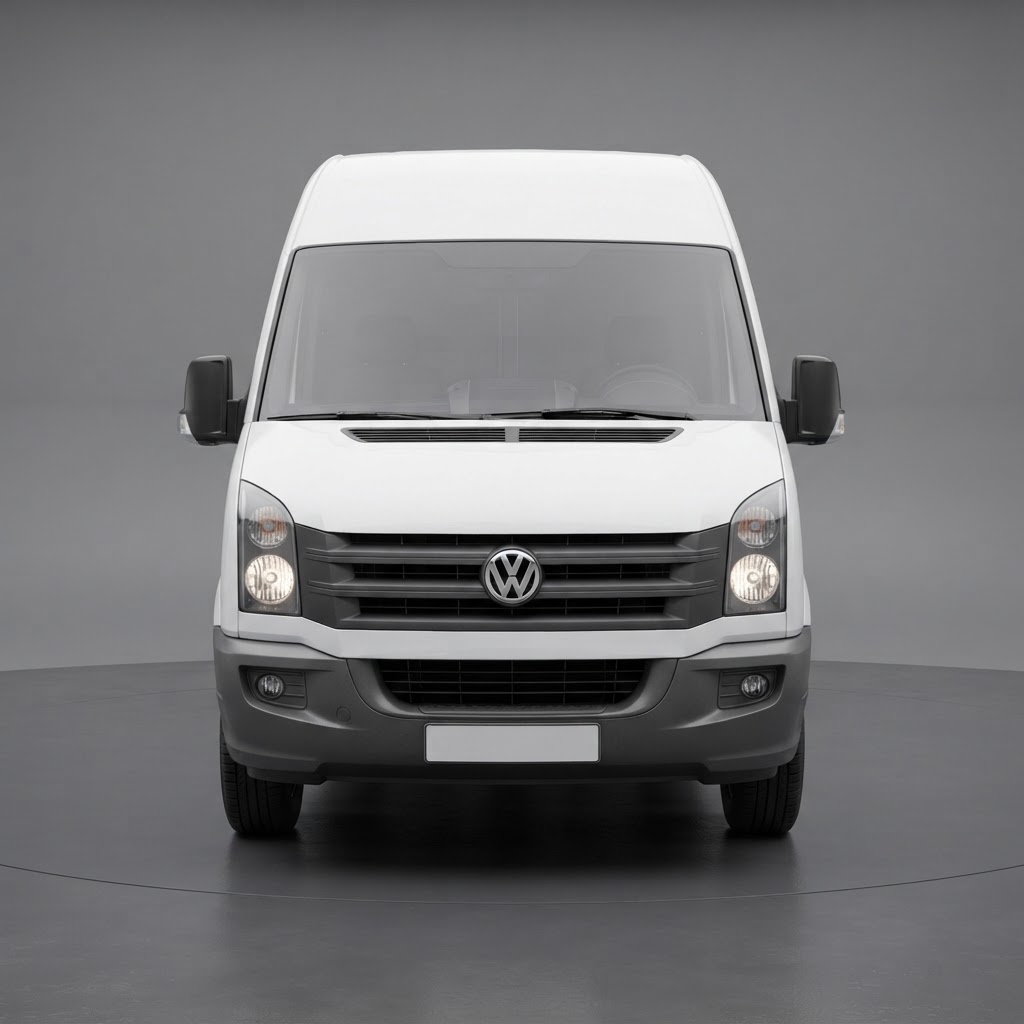
What the first Crafter actually is
The 2006 to 2016 Crafter was built alongside the Mercedes-Benz Sprinter and shares its body, its running gear and most of its mechanical parts. That is good for parts availability and bad for brand loyalty arguments, because a Crafter with a Mercedes part number is still a Crafter.
It is a serious working vehicle: gross weights from three to five tonnes, load lengths up to the long-wheelbase extra-high-roof, and payloads that make a Transporter look like a toy. It is also the base for a lot of race transporters, mobile workshops and large camper conversions, which is why it turns up in build galleries.
The catch is that everything costs more. Tyres, brakes, suspension parts and labour are all priced for a five-tonne vehicle, and a neglected example can generate bills that dwarf its purchase price.
Which engine
The 2.5 TDI five-cylinder came in several outputs from 88 to 163 PS. It is strong and suits a loaded van, but it has known weak points: the injectors, the EGR cooler and the timing belt and tensioner arrangement at the back of the engine, which makes the belt job more expensive than you expect.
The 2.0 TDI arrived later and is cleaner and more economical, with a DPF and EGR system that needs long runs. On a van doing multi-drop local work, that is a recipe for repeat regeneration problems.
Buy on condition and service history rather than output. A 136 PS van with a documented belt and injector history is worth more than a 163 PS one with neither.
What to check before you buy
- Injector health. Rough running, a misfire at idle, excessive smoke or a strong diesel smell in the oil are all signs. Injectors on these engines are not cheap and they are a known failure.
- Timing belt and tensioner. Ask for the invoice. On the 2.5 the belt is at the back of the engine and the labour is significant.
- DPF and EGR. Any van used for short trips will have a loaded DPF. Look for a recent forced regeneration and check for an EML that has been cleared.
- Gearbox and clutch. Six-speed manual or automatic; both are expensive to replace. Drive it loaded if you can, or at least listen for whine and a slipping clutch under load.
- Rear wheel bearings and brakes. A loaded van eats them. Listen for a rumble that changes with cornering load.
- Corrosion on the sills, rear arches and the load floor. Vans work in salt and wet. Check underneath, properly, on a ramp.
- The gross weight on the VIN plate. This is not a detail. Over 3.5 tonnes and you need C1 entitlement, and insurance and MOT rules change with it.
Wheels, tyres and load rating
First-generation Crafters use Sprinter-derived hubs, which are not the same as the 5x120 of a Transporter and not the 5x120 of the later T6-based Crafter either. Confirm the stud pattern and the offset against the VIN plate before buying anything.
The bigger point is the load index. A Crafter needs commercial tyres and commercial-rated wheels, and the rating must cover the axle weights, not the kerb weight. Fitting car alloys to a five-tonne van is dangerous and can invalidate insurance. On a vehicle this size, buy wheels from a supplier who will check the plate for you.
What it costs to run
Low twenties mpg loaded, high twenties empty, and a service schedule that assumes commercial use. Tyres are the recurring shock: six commercial tyres at once is a four-figure bill. Budget for injectors and the belt as planned maintenance rather than surprises, and buy the newest, best-documented van you can afford.


