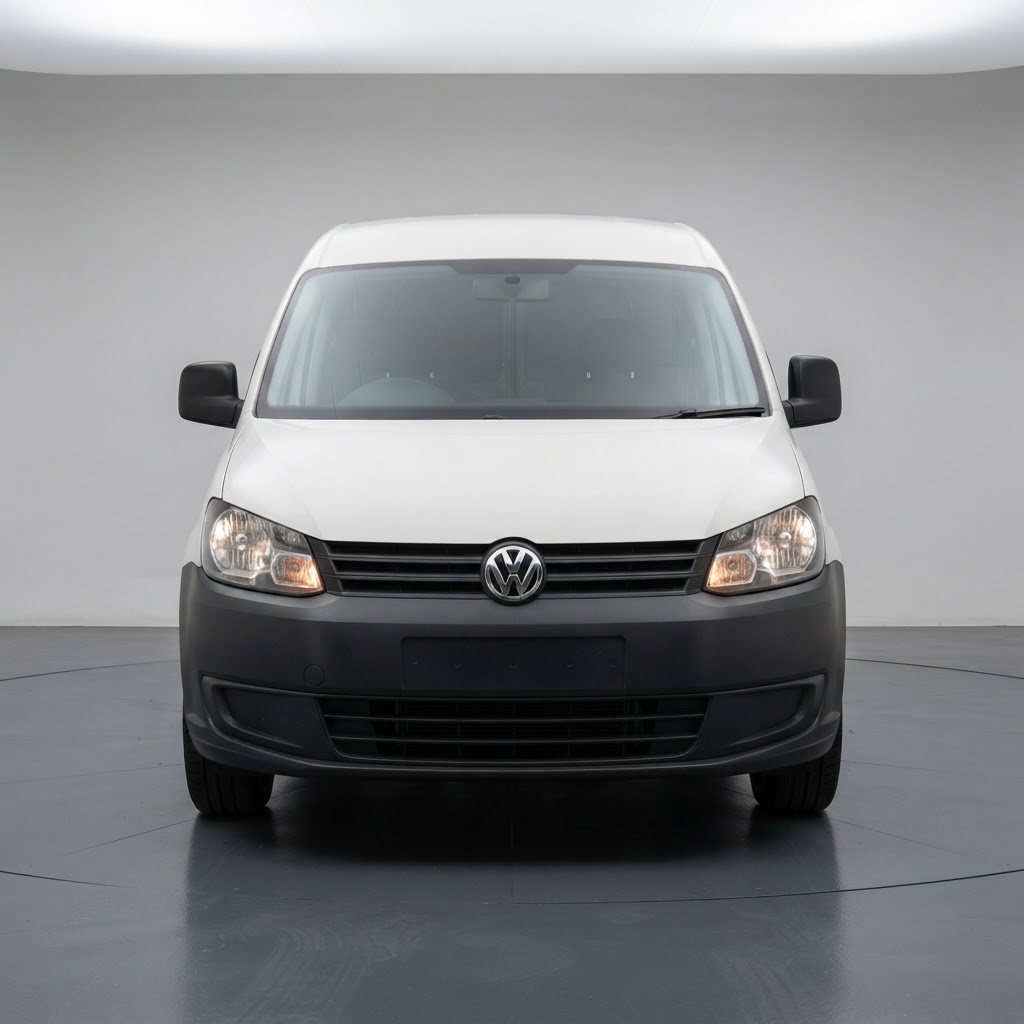
Car underneath, box on top
The Caddy Mk3 sits on the PQ35 platform, so it shares its front end, engines and much of its suspension with the Golf Mk5 and the Touran. It drives like a Golf with a taller body, which is exactly why the Caddy scene exists: you get car comfort and car parts availability in a van that is small enough to park.
That also means the modification path is unusually cheap. Coilovers and springs designed for the Golf Mk5 fit, the brakes are shared, and the engine range is the same well-understood family. The rear is a leaf-spring beam axle, which limits how far you can sensibly go at the back, but it is robust and cheap to rebuild.
Which engine
The 1.9 TDI (75 and 105 PS) is the pick for cheap, long-term ownership. It is a PD engine, so the camshaft and injectors want checking, but there is no DPF on the early ones and the parts are inexpensive. Listen for a top-end tick and check the cam belt and water pump.
The 2.0 TDI (140 PS) is stronger and better loaded, with a DPF and EGR system that needs long runs. The 1.2 TSI is the economical petrol and the 1.6 TDI the modern diesel; both bring the chain and DPF questions that go with their generation.
For a work van on short trips, the non-DPF 1.9 TDI is still the least troublesome choice.
What to check before you buy
- Camshaft and injectors on the PD diesels. A tick at half engine speed, rough idle or smoky running are the signs. This is the main engine risk on the 1.9.
- Cam belt and water pump. Interference engines, and van usage means the interval arrives sooner in practice than it does on paper.
- Rear leaf springs and shackle bushes. Vans get loaded. Sagging springs and worn bushes make the back end wander.
- Sliding door and its track. Rollers and the lower track wear, especially on vans that have been loaded on kerbs.
- DPF and EGR on later diesels. Short-journey vans clog them. Look for a recent regeneration or a replaced DPF.
- Floor, sills and rear arch rust. Cargo areas get scratched and wet. Lift the mat and look at the floor pressing.
- Clutch and dual-mass flywheel. A rattle at idle that disappears when you press the clutch is the tell.
Fitment: 5x112
The Caddy Mk3 runs a 5x112 stud pattern with a 57.1 mm centre bore, because it is PQ35 underneath. That is not the 5x100 of the earlier Polo or the Golf Mk4, and it is a common mistake in forum threads and fitment charts.
The other thing that matters is the load rating. A Caddy carries up to around three quarters of a tonne, so wheels and tyres need a commercial rating. Plenty of people fit Golf wheels and get away with it; that does not make it right, and it can invalidate insurance if the rating is below the plate.
A 17 or 18 inch wheel rated for the load, with an offset around 45 to 50 mm, fills the arches properly. Lowering by 50 to 60 mm is normal in the scene, but on a van that is used loaded you should use a kit rated for it and expect to replace the front top mounts.
What it costs to run
Around 45 to 50 mpg from the 1.9 TDI, low forties from the 2.0, and mid thirties from the petrols. Servicing is Golf money, tyres are van money, and the two jobs to budget for are the cam belt and the clutch. Compared with any other van of this size, it is remarkably cheap to keep.


