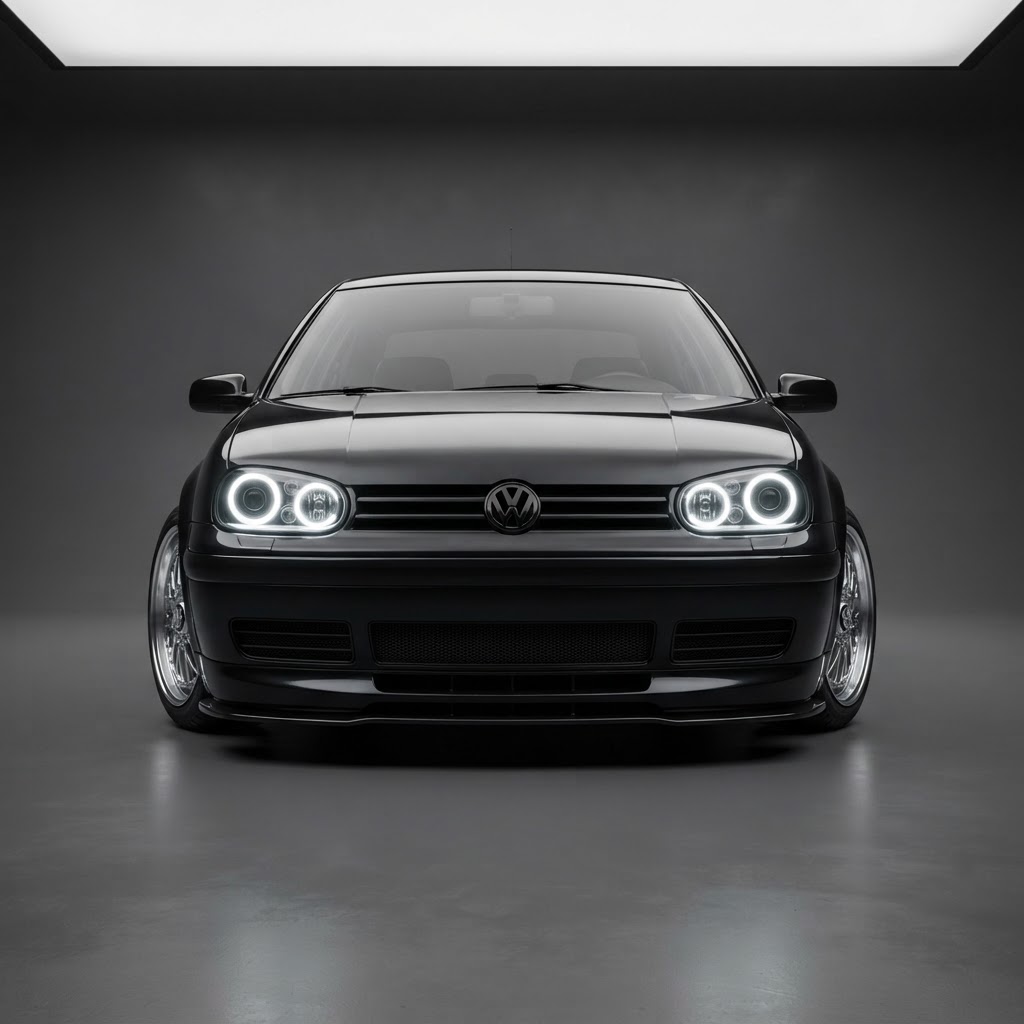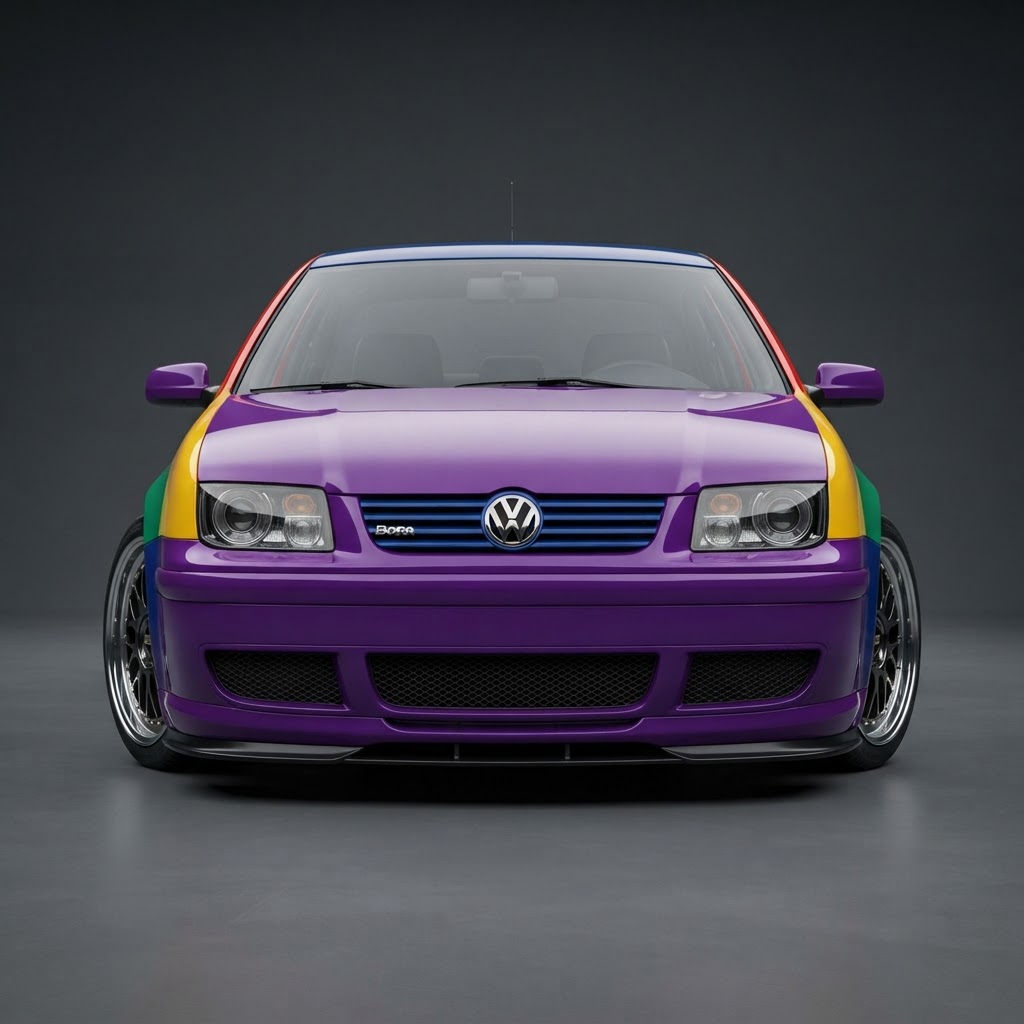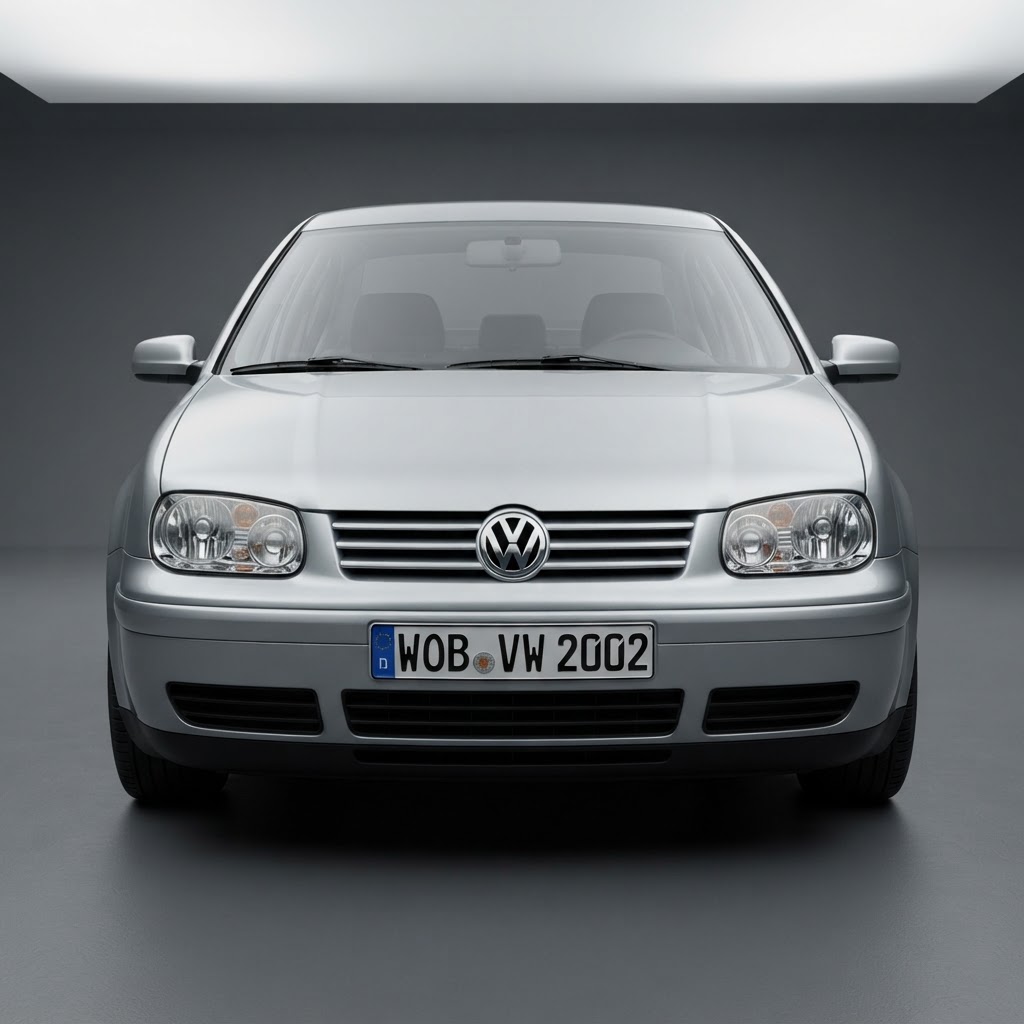
The forgotten PQ34 car
The Bora was the booted Golf Mk4, sold as the Jetta in some markets. It shares the platform, the engines, the suspension and almost every mechanical part with the Golf Mk4 and the New Beetle, which means the running costs and the tuning path are identical to cars that people actually remember.
That obscurity is the reason to buy one. A Bora 1.8T costs noticeably less than the equivalent Golf GTI, has the same engine, the same potential and, in the case of the estate, more usable space than either. The only thing you give up is the badge and the aftermarket body-kit support, which is thin because nobody was ever inspired to build a wide-arch Bora.
The 1.8T (150 PS, AGU, AUM or AUQ) is the enthusiast's choice and remaps to around 190 to 200 PS on standard hardware. The 1.9 TDI PD in 130 and 150 PS form is the other interesting one: strong, frugal and well supported. The 2.8 VR6 4motion is the rare flagship, and the 2.3 VR5 sits between them as a curious curiosity with the thirst of the six and less power.
What to check before you buy
- Cam belt, tensioner and water pump. The 1.8T and the TDI are interference engines. On a car this old, assume the belt is due unless there is a recent invoice.
- Coil packs on the 1.8T. Failing coils cause a misfire that feels like a terminal fault. Check for the revised parts and keep a spare.
- Oil sludge. Short-journey 1.8Ts build sludge in the pick-up. Look inside the filler cap and listen for a noisy top end from cold.
- Rear axle bushes. Worn bushes make the rear steer over bumps and chew the inner edge of the rear tyres.
- Window regulators. The plastic sliders fail on every PQ34 car. Test all four windows front and rear.
- Door lock microswitches. A failed switch makes the car lock and unlock itself, and drains the battery over a weekend.
- Water in the boot and the rear footwells. The Bora saloon leaks at the rear light seals and the boot vent, and the estate leaks at the tailgate hinges.
- Front wings above the arch. Same rust trap as the Golf Mk4: mud collects behind the liner and the wing rots from the inside.
What goes wrong that costs real money
The 2.8 VR6 4motion is the one to be careful with. The chain and tensioner are a big job, the Haldex four-wheel drive needs its oil and filter every 40,000 miles and the fuel consumption is genuinely alarming for the performance. Buy one with a full history or buy a cheap one and expect to spend the difference.
On the 1.8T, the usual suspects are a split diverter valve, a tired N75 boost solenoid, a leaking cam cover gasket and a failing mass air flow meter. None are expensive if diagnosed properly, and all are commonly misdiagnosed by parts-swapping.
The diesel adds dual-mass flywheel wear, inlet manifold sooting and, on high-mileage PD cars, camshaft and injector wear. A Bora TDI with 200,000 miles and good oil changes will outlast a neglected one with half the mileage.
What to change first
Service it, then do the suspension bushes and the tyres. A Bora on fresh bushes and decent rubber drives far better than one that has been lowered on worn components, and the saloon is stiff enough that the difference is obvious.
Height and wheels are a matter of taste. These cars look purposeful on a 30 to 40 mm drop and a 17 inch wheel, and they look wrong on 19s. The saloon's arches are slightly tighter than the Golf's at the rear, so check clearance on anything wider than 8 inches.
Fitment
5x100 PCD, 57.1 mm centre bore, offset 35 to 45 mm, identical to the Golf Mk4 and the New Beetle. That means there is a huge supply of wheels that fit, including the factory BBS-style and Montreal wheels that suit the car best.
Running costs
The 1.8T returns 30 to 35 mpg, the TDI around 50, and the VR6 low twenties at best. Parts are cheap across the range except for the VR6 engine internals and the Haldex system. Insurance is low now that the cars qualify for classic policies.